
How To Prevent Hip Joint Stiffness When Sitting for Long Hours

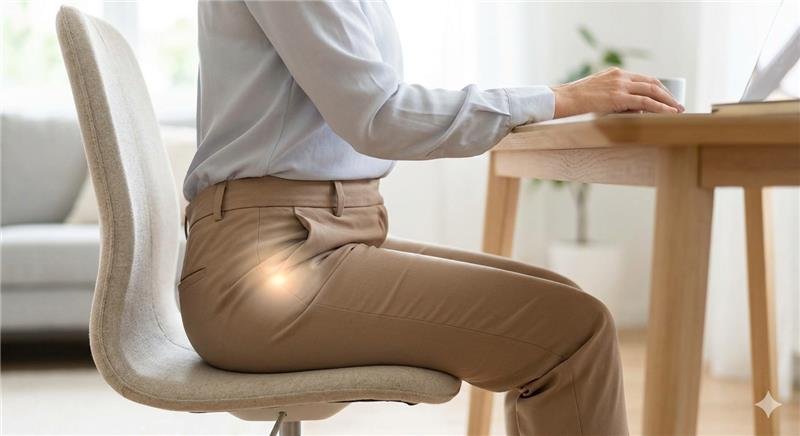
Sitting for long hours has become part of everyday life. Whether you are working at a desk, attending online classes, driving, or spending time on your phone, your body often stays in one position for too long.
One of the most common problems that comes from this habit is hip joint stiffness.
When the hips stay bent for many hours, the muscles around them can become tight and less flexible. Over time, this may lead to discomfort, poor posture, reduced movement, and even pain in the lower back or legs.
At Nidaan Physiotherapy Clinic, we often see people dealing with hip tightness simply because of long sitting hours. The good news is that a few simple daily habits can make a big difference.
Why Do Your Hips Feel Stiff After Sitting?
Your hips are designed to move. When you sit for too long, the hip flexor muscles remain in a shortened position. This can make the joint feel tight and uncomfortable when you finally stand up or walk.
You may notice:
- stiffness when getting up from a chair,
- discomfort in the front or side of the hips,
- tightness in the thighs,
- poor posture,
- or lower back strain.
If ignored for too long, this stiffness can start affecting how you walk, stand, and move during the day.
5 Simple Ways To Prevent Hip Joint Stiffness
1. Sit with Better Posture
The way you sit has a direct effect on your hips.
If you slouch, lean too far forward, or sit with crossed legs for long periods, extra stress builds around the hips and lower back. A better sitting position keeps your joints in a more comfortable and supported position.
Try this:
- keep both feet flat on the floor,
- sit with your back supported,
- keep your shoulders relaxed,
- and make sure your knees are level with or slightly lower than your hips.
A supportive chair or small cushion behind the lower back can also help.
2. Don’t Sit for Too Long Without a Break
Even if your posture is good, staying in one position for hours is not ideal.
A simple habit that helps a lot is standing up every 30 to 45 minutes. You do not need a long workout break. Even a short movement break can reduce stiffness.
You can:
- walk around your room,
- stand and stretch,
- march in place,
- or take a quick water break.
Regular movement helps improve blood flow and keeps the hip muscles from becoming too tight.
3. Do Gentle Hip Stretches During the Day
If your routine makes it hard to get up often, small stretches can still help.
Simple movements done while sitting or standing can reduce tightness and improve flexibility around the hips.
A few easy options include:
- bringing one knee gently toward the chest,
- crossing one ankle over the opposite knee and leaning forward slightly,
- or slowly moving the knees in and out to loosen the hips.
The goal is not to force a stretch. Gentle and regular movement works better than aggressive stretching.
4. Improve Your Desk or Work Setup
Sometimes the problem is not just sitting — it is how you are sitting.
A poorly arranged workspace can make you lean forward, round your back, or place your hips in an uncomfortable position for hours.
Try to adjust your setup so that:
- your chair height feels natural,
- your screen is at eye level,
- your arms stay relaxed while typing,
- and your hips and knees are comfortably aligned.
If possible, alternating between sitting and standing during the day can also help reduce pressure on the hips.
5. Keep Your Hip Muscles Strong and Flexible
Healthy hips need both flexibility and strength.
If the muscles around the hips are weak or tight, stiffness becomes more common. This is why regular exercise is important, especially if you have a desk-based routine.
Helpful exercises may include:
- glute bridges,
- bodyweight squats,
- lunges,
- hip flexor stretches,
- and gentle mobility exercises.
Even 10 to 15 minutes of daily movement can help support your hip joints and reduce discomfort from long sitting hours.
When Should You See a Physiotherapist for Hip Stiffness?
Occasional tightness after sitting is common. But if the stiffness keeps coming back or starts affecting your daily life, it may be time to seek help.
You should consider visiting a physiotherapy clinic if:
- the stiffness is happening every day,
- you feel pain while walking or standing,
- your hip movement feels limited,
- the discomfort spreads to your lower back or knees,
- or simple stretching is not helping.
At Nidaan Physiotherapy Clinic, we assess the cause of your stiffness and create a treatment plan based on your posture, movement, and lifestyle.
How Physiotherapy Helps Hip Joint Stiffness
Physiotherapy is not only for pain relief. It also helps correct the reasons behind stiffness.
At Nidaan Physiotherapy Clinic, treatment for hip stiffness may include:
- movement assessment,
- posture correction,
- stretching and mobility work,
- strengthening exercises,
- and advice on workplace ergonomics.
The aim is to help you move more freely and prevent the stiffness from returning again and again.
Final Thoughts
Hip joint stiffness from long sitting hours is very common, but it should not be ignored.
Small daily changes like sitting properly, taking movement breaks, stretching, and improving your workspace can help keep your hips comfortable and mobile.
If stiffness is becoming a regular issue, getting professional guidance can make recovery easier and prevent long-term problems.
At Nidaan Physiotherapy Clinic, we help people improve mobility, reduce stiffness, and move with more comfort every day.
FAQ Section
Why do my hips feel stiff after sitting for a long time?
Sitting for long periods keeps the hips in a bent position, which can make the muscles around the joint tight and uncomfortable.
Can physiotherapy help hip stiffness?
Yes. Physiotherapy can improve movement, reduce tightness, and strengthen the muscles that support the hips.
How often should I move if I sit all day?
Try to stand up and move every 30 to 45 minutes, even if it is only for a minute or two.
Are stretches enough to reduce hip stiffness?
Stretches help, but the best results usually come from a mix of stretching, strengthening, posture improvement, and regular movement.
When should I worry about hip stiffness?
If stiffness happens daily, causes pain, limits movement, or does not improve with basic exercises, it is a good idea to consult a physiotherapist.
Leave a Reply