Can ACL Injuries Recover Without Surgery?

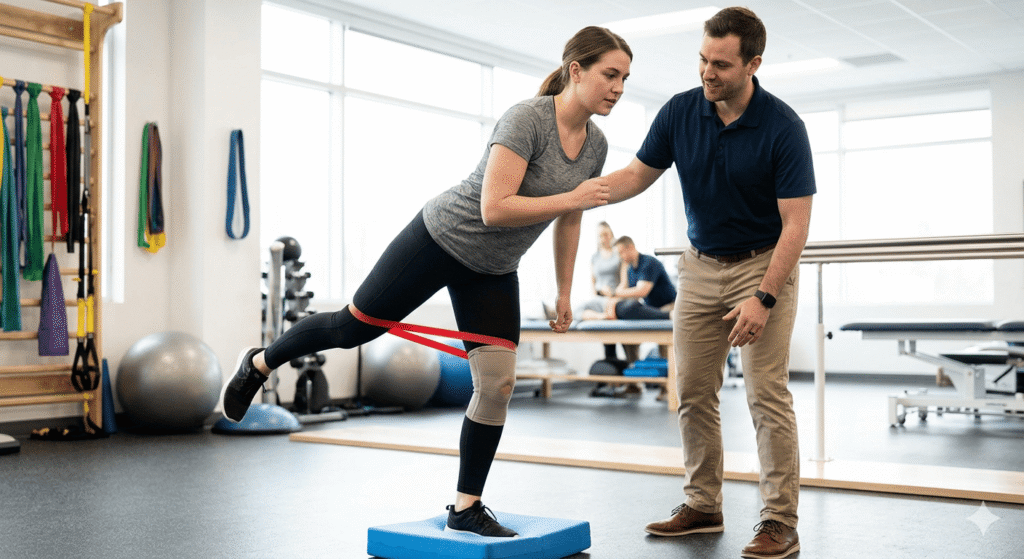
An ACL injury can feel frightening, especially for active people.
Many patients immediately assume that surgery is the only solution after hearing the words “ACL tear.” But today, doctors and physiotherapists are increasingly understanding that not every ACL injury needs immediate surgery.
In some cases, proper rehabilitation and physiotherapy can help patients regain knee stability, strength, and confidence without rushing into an operation.
At Nidan Physiotherapy Clinic, we help patients understand their injury clearly and guide them through recovery step by step.
What Is the ACL?
The ACL, or Anterior Cruciate Ligament, is one of the important ligaments inside the knee joint. It helps control knee stability and movement.
ACL injuries commonly happen during:
- sports activities,
- sudden twisting movements,
- jumping and landing incorrectly,
- or quick direction changes.
People often feel:
- sudden knee pain,
- swelling,
- instability,
- or a feeling that the knee may “give way.”
Does Every ACL Tear Need Surgery?
Not always.
Some people may eventually require surgery, especially athletes involved in high-level pivoting sports. But many people can still recover well with structured physiotherapy and strengthening programs.
The reference blog also highlights growing evidence that non-surgical treatment can provide outcomes similar to surgery in many cases.
This is why modern ACL care often focuses on a “rehab first” approach before deciding on surgery.
Why Physiotherapy Matters After an ACL Injury
Physiotherapy plays a major role whether surgery is needed or not.
At Nidan Physiotherapy Clinic, ACL rehabilitation focuses on:
- reducing pain and swelling,
- restoring knee movement,
- rebuilding strength,
- improving balance,
- and helping patients return to daily activities safely.
The goal is not only pain relief. The goal is to help the knee become stronger and more stable again.
What Happens During ACL Physiotherapy?
Recovery usually happens in phases.
1. Reducing Pain and Swelling
In the early stage, treatment focuses on calming the knee.
This may include:
- gentle movement,
- swelling management,
- walking guidance,
- and basic exercises to maintain mobility.
2. Restoring Knee Movement
After an ACL injury, many people become afraid to move the knee properly.
Physiotherapy helps gradually restore:
- bending,
- straightening,
- walking pattern,
- and confidence in movement.
3. Building Strength
Weak muscles around the knee can increase instability.
Strengthening exercises for the:
- quadriceps,
- hamstrings,
- hips,
- and core muscles
help improve support around the knee joint.
The reference article also explains that structured rehabilitation and strength progression are important parts of recovery.
4. Balance and Stability Training
ACL injuries can affect balance and body control.
Specific exercises help improve:
- coordination,
- balance,
- knee control,
- and movement confidence.
This becomes especially important before returning to sports or physical activity.
5. Return to Daily Activities and Sports
The final phase focuses on helping patients safely return to:
- walking comfortably,
- climbing stairs,
- gym training,
- running,
- or sports activities.
Recovery is gradual, not rushed.
Can the ACL Heal Naturally?
Research today suggests that some ACL injuries may show healing potential over time, especially when managed early and correctly.
The reference blog also discusses newer evidence showing that ACL healing may be possible in certain cases, although research is still developing.
This is one reason why many healthcare professionals now recommend giving rehabilitation a proper chance before immediately choosing surgery.
Why Early Physiotherapy Is Important
Starting rehabilitation early can help:
- reduce stiffness,
- maintain muscle strength,
- improve movement,
- and support better long-term recovery.
The reference article also emphasizes that delaying rehab for too long may reduce recovery potential.
Recovery Is Different for Everyone
Not every patient recovers the same way.
Your treatment plan depends on:
- your age,
- activity level,
- knee stability,
- sports goals,
- pain levels,
- and lifestyle needs.
At Nidan Physiotherapy Clinic, recovery plans are customized based on each patient’s condition and goals.
Simple Tips After an ACL Injury
While recovering:
- avoid sudden twisting movements,
- follow exercises regularly,
- don’t ignore swelling,
- stay consistent with rehab,
- and avoid returning to sports too quickly.
Small consistent progress is more important than rushing recovery.
When Should You See a Physiotherapist?
You should seek physiotherapy if:
- your knee feels unstable,
- swelling keeps returning,
- walking feels difficult,
- you feel pain during movement,
- or you recently injured your knee during sports or exercise.
Early guidance can help improve recovery and reduce long-term problems.
Final Thoughts
An ACL injury does not automatically mean surgery is your only option.
In many cases, physiotherapy can help improve knee function, strength, stability, and confidence through a structured rehabilitation program.
At Nidan Physiotherapy Clinic, we focus on helping patients recover safely, move better, and return to daily life with stronger and more confident movement.
SEO FAQs
Can ACL injuries heal without surgery?
Some ACL injuries may improve with proper rehabilitation and physiotherapy, depending on the severity and the patient’s activity level.
Is physiotherapy important after an ACL injury?
Yes. Physiotherapy helps improve strength, movement, balance, and knee stability during recovery.
How long does ACL rehabilitation take?
Recovery time varies, but rehabilitation often takes several months depending on the injury and treatment approach.
Can I walk after an ACL tear?
Some people can still walk after an ACL injury, but the knee may feel unstable or weak.
When should I start physiotherapy after an ACL injury?
Early physiotherapy is usually recommended to improve recovery and maintain knee function.
Leave a Reply